Tiger Embroidery Design Review
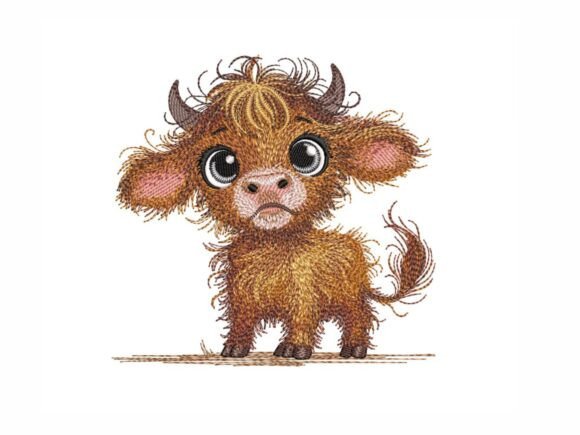
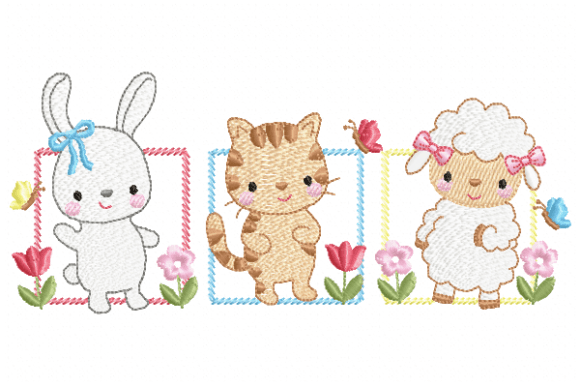
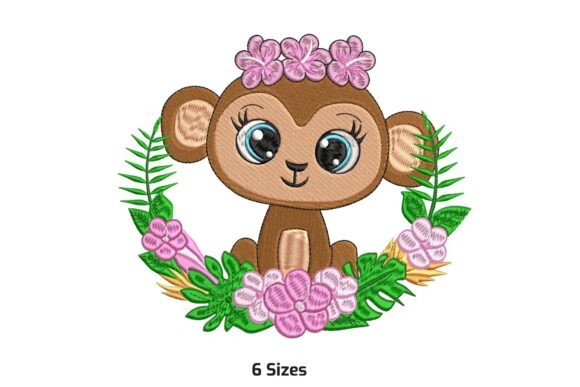
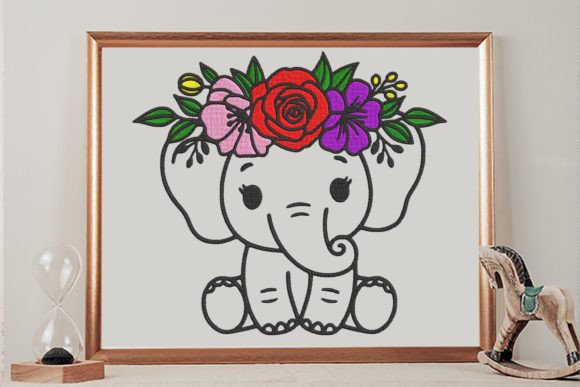
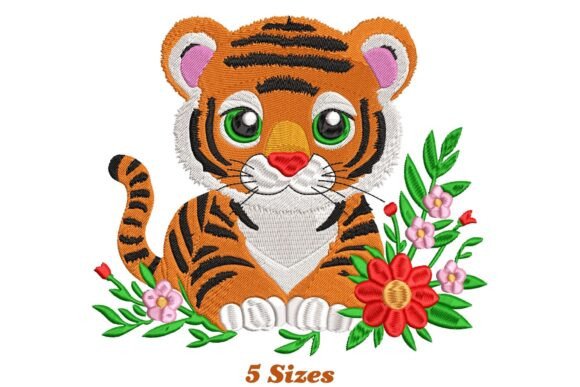
As an experienced embroidery designer, I've had the opportunity to evaluate numerous machine embroidery designs for small business merch, custom apparel, and branded patches. One design that stands out is the Tiger embroidery file. With its whimsical floral elements and playful charm, this design has potential for a variety of applications in the world of small business merchandise.
First Impressions of the Tiger Design
The Tiger design exudes a friendly and whimsical vibe, making it ideal for businesses that want to convey a sense of fun and creativity. Its floral accents add a touch of elegance, while the overall style feels approachable and modern. This balance between charm and professionalism makes it a versatile option for brands targeting a broad audience.
From a visual standpoint, the design appears to be well-structured and suitable for both handmade products and commercial embroidery projects. It’s clear that the creator intended for it to be used on a range of items, from t-shirts to home decor, which aligns with the needs of many small business owners.
Real Business Use Cases for the Tiger Design
The Tiger embroidery design can be effectively used in several real-world scenarios for small businesses. As an embroidered patch, it adds a unique and eye-catching detail to jackets, bags, or uniforms. For staff uniforms or apron embroidery, the design can serve as a subtle yet memorable brand identity element.
When used as a cap embroidery or tote bag design, the Tiger adds character without overwhelming the item. It's also a great choice for product packaging accents, where it can reinforce brand messaging and create a cohesive look across all customer touchpoints.
For Etsy sellers and craft businesses, the Tiger design offers a visually appealing option for printable mockups and custom apparel. It can be integrated into event merch, customer gifts, or boutique merchandise to enhance the perceived value of the finished product.
Considerations for Careful Use
While the Tiger design is visually appealing, there are some situations where caution is needed. At small patch sizes, the intricate details may become too fine, leading to a loss of definition. Similarly, on curved surfaces like caps, the design might not sit as smoothly as on flat areas.
High stitch density could pose challenges when working with textured fabrics or dark uniforms, as it may cause the embroidery to appear less crisp. Tiny lettering or detailed outlines may not translate well at smaller scales, so testing the design at different sizes is essential.
It's also important to consider the fabric texture when using this design. If the material is too stretchy or delicate, additional stabilizer may be required to ensure the Tiger maintains its shape and clarity after repeated washes.
Impact on Brand Identity and Customer Perception
The Tiger design has the potential to significantly impact brand identity. When used consistently across small business merch, it helps build recognition and trust with customers. A well-executed embroidered patch or sleeve detail can elevate the perception of a handmade product, making it feel more premium and professionally crafted.
Visual consistency is key for any brand, and the Tiger design offers a cohesive look that can be applied across multiple items. Whether it's on a tote bag, a cap, or an apron, the design reinforces the brand’s aesthetic and creates a stronger connection with the audience.
From a buyer engagement perspective, the Tiger design adds an element of uniqueness that can differentiate a business from competitors. It encourages customers to interact with the brand and remember it through visual cues that are both charming and professional.
Practical Tips for Embroidery Designers
Before finalizing the use of the Tiger design for commercial embroidery projects, there are several practical steps to take. First, test the design in black and white to assess how it looks on different fabric colors. Then, check if it works at small patch sizes to ensure it remains recognizable.
Review thread color contrast to make sure the design stands out on the chosen fabric. Inspect spacing and hoop size requirements to avoid any issues during production. Testing the design on real fabric with the proper stabilizer is crucial for achieving a clean finish.
Creating a printable mockup for client approval helps set expectations and ensures the final product meets the desired standards. Comparing the Tiger design with other design assets can also help determine its fit within the overall brand strategy.
Finally, always confirm the commercial licensing terms before using the Tiger embroidery file for business purposes. This ensures that the design can be used freely without legal complications.